
Startup SEO
SEO for Startups Competing With Older, Bigger Rivals
We provide SEO for startups, scale-ups and early-stage businesses that need to be found before they have a track record: in Google, Bing and the answers ChatGPT and other assistants give, for the searches nearest a sign-up or demo. Founders deal directly with the senior specialists running their campaign.
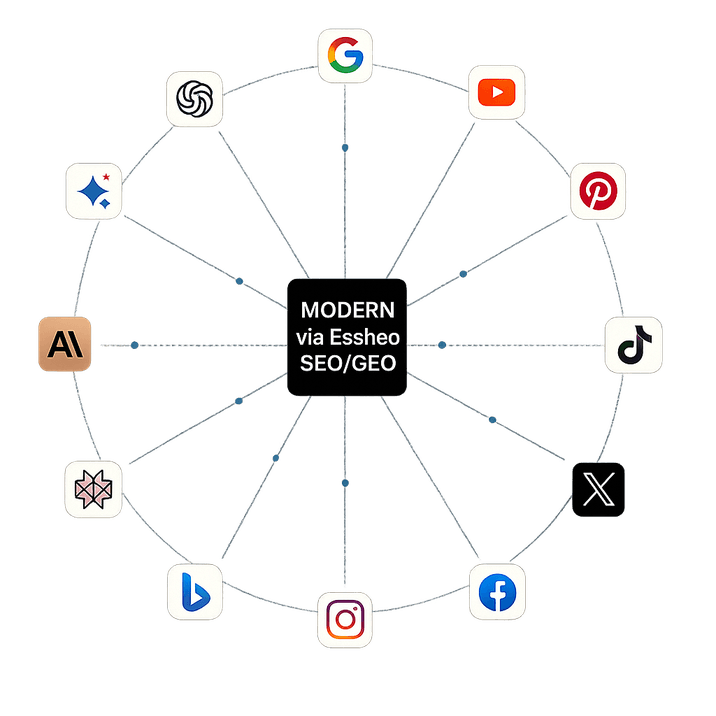
- Search platforms optimised, from Google to ChatGPT, Perplexity, Reddit and YouTube
- 24
Some of the brands we have worked with





Who this is for
Startups and scale-ups we work with
Startups still in build
While the site is being built, choices about URL structure, navigation and rendering decide how search engines will crawl it. We crawl the staging build and take any problems to your developers before launch day.
Tech and app startups
Signing up to a new app or software tool means taking a chance on a company with no long track record. Genuine early reviews, and pages that answer doubts before sign-up, make that chance easier to take.
Founder-led startups
Without a marketing hire, you choose how much to hand over. We can do the work for you, or give you senior hours through Audits and Consultancy, with each fix specified for your team to carry out.
Scale-ups adding products and segments
Every product line or customer segment you add brings searches of its own. Each gets a page mapped out for that demand and linked into the cluster around what you already sell, rather than left standing alone.
What we do
Why startups start behind in search
A new startup's site has little authority and not much written about it elsewhere. Broad terms tend to belong to established names, so the realistic openings are precise searches: a named feature, a trial, a demo. Asked for a recommendation, AI assistants name one or two businesses they hold clear, corroborated information about, and a new brand has little of it yet. Founders researching SEO mostly meet do-it-yourself advice: for "seo for startups", a Reddit thread from r/startups ranks first, above DIY guides, forum topics and LinkedIn posts (Ahrefs UK data, September 2026).
Our SEO services for startups
Launch-ready technical SEO
Fast mobile pages, a clean URL structure, schema, indexing and internal links, audited before any content is written. If you replatform later, our Technical SEO work maps every old URL to its new one.
Product and use-case pages
Trial, demo and feature searches each land on a page written for them, grouped with related pages, rather than one general homepage trying to rank for everything you sell.
Content under your own name
Guides, comparisons and "how to choose" pages, briefed from interviews with your founder or product lead and published under their name through our Content Marketing service.
Reviews from your first customers
A routine for asking and replying on the review platforms AI models trust, and on your Google Business Profile if you serve customers in person or in an area. Reviews count towards rankings as well as reassurance.
Launch and product PR
Stories about your launch, new features, reports and milestones, pitched through Digital PR to the titles your market reads. Coverage earns links and gives AI models a source beyond your own site. No bought links.
Visibility in AI answers
Corroboration for a brand this new typically takes three to six months, so we start early. Generative Engine Optimisation sets one description of you for your site and each new profile; Reddit GEO places you in threads AI answers cite.
Established software firms selling to other businesses are covered by SEO for B2B.
Two launches our team has worked on
Boiler Central, an online boiler company, was built by our team from the domain purchase up. With British Gas, EON, SSE, MoneySuperMarket and other billion-pound firms holding the paid results, organic search was planned to bring in most of its revenue. An expired domain with 24 years of boiler and heating content gave it a head start; it turned over £3.5m in its first year and £12m in its second. Future Training, a renewable energy course provider, launched a brand-new site in 2026 with no domain authority. Our plan for it put Newcastle and North East signals first, before scaling nationally.
How it works
How a startup SEO campaign runs
Related sectors
More Corporate and B2B sectors
SEO for Recruitment Agencies
We do SEO for recruitment agencies, staffing firms and HR consultancies that want to rely less on paying to advertise every placement.
SEO for Manufacturing
We do SEO for manufacturing companies and industrial suppliers whose buyers research before getting in touch, working to get your processes, product lines and the industries you supply found on Google, Bing and in AI assistants like ChatGPT.
SEO for B2B
Essheo is a B2B SEO agency for service providers, software businesses and other firms that sell to companies.
SEO for Lead Generation
SEO for lead generation means ranking the pages that turn searches into enquiries.
Insights
Latest guides

How to Measure Success From Generative Engine Optimisation
AI SEO Guides

What ROI Can Businesses Expect From GEO Services?
AI SEO Guides

How Much Traffic Can AI Search Generate for Your Business?
AI SEO Guides
Is GEO Worth Investing In? A Business Case for AI Search Optimisation
AI SEO Guides
How AI-Powered Search Engines Decide Which Brands to Recommend
AI SEO Guides
Google’s AI Overviews: What They Mean for Your Business
AI SEO Guides
FAQs
Frequently Asked Questions
Because ranking pages keep bringing customers once the work is done, while ads stop when the budget does. Boiler Central was planned that way: organic search first, with paid search funded from it later.
Before launch if you can, since structure, schema and internal links cost less to build in than to retrofit. If you are already live, an audit sets the order, starting with anything that stops pages being indexed.
Technical and on-page fixes can show within four to eight weeks; competitive terms often take six to twelve months. Our plan for Future Training was set over twelve months in three phases, with technical setup first and high-value keywords last.
Usually once technical work, PR or AI visibility come into play, where specialists earn their place. A founder can handle much of the early groundwork: asking first customers for reviews and noting the questions prospects raise on calls.
Yes. Assistants lean on what SEO produces: a technically clean site, structured content and mentions on trusted sources. A new site also needs indexing in Bing, whose index ChatGPT's search draws on. Nobody can promise a mention.
Ask who does the work day to day, how they would approach a new domain, and whether reports cover sign-ups rather than traffic alone. Treat a promise of rankings as a warning sign, since no one controls Google's results or AI answers.
Speak to us today to get started